
Do Hearing Aids Block Background Noise? How It Works
If you’re considering hearing aids, you’re probably wondering

By: admin | December 21, 2025
Wearable technology has become part of how many people track their health, from counting steps to monitoring heart rate and sleep patterns. Now, some of these same everyday devices can help you keep tabs on your hearing health too.
You don’t need specialized medical equipment or frequent doctor visits to notice when your hearing might be changing. The devices you already wear on your wrist or carry in your pocket can give you useful information about your exposure to loud sounds and alert you to patterns that might be affecting your ears.
This kind of awareness helps you catch small shifts early, before they turn into bigger problems that interfere with your ability to communicate or enjoy the activities you care about.
It’s just another way to stay informed about your health using technology that already fits into your routine.
Wearable technology has become a regular part of health care, offering simple ways to track how your body is doing throughout the day. Fitness watches, smart rings and other devices can monitor patterns like heart rate, sleep quality, body movement and activity levels.
This gives you real time information that once required a visit to a clinic, and it helps you notice changes you might not pick up on your own.
Health care providers are also using information from wearables to support better decision making. The data can show long term trends, highlight changes that deserve attention and guide conversations about your well-being.
Because the information comes from your actual daily routines, it offers a clearer picture of how your body responds to stress, activity, rest and illness.
Wearable devices use microphones and sensors to monitor your hearing throughout the day. They measure the sound levels around you and track how often you are exposed to louder environments. This creates a clearer picture of what your ears experience during your normal routines.
The information these devices gather can reveal helpful patterns, like frequent time spent in noisy places or moments when certain sounds seem harder to notice.
As these patterns become clearer, you gain a better sense of when it might be time for regular monitoring or a visit with your hearing specialist.
Good hearing supports your ability to connect with others and stay active in daily life. When you hear well, it is easier to enjoy conversations, listen to music and stay aware of important sounds around you.
Maintaining your hearing health helps you:
Wearable devices use small sensors to collect health information as you go about your day. These sensors measure heart rate, steps and the sounds in your environment. Many wearables connect to apps on your phone or tablet, making it easy to organize and review your data.
Key benefits of using wearables for health monitoring include:
Many modern wearables include features that help you keep track of your hearing along with other health details.
Smartwatches are among the most common options. Some models can measure noise levels in your environment and alert you if sounds are too loud.
Fitness trackers and hearing aids with built-in sensors are also popular for monitoring hearing. These devices help you notice changes in your hearing patterns and provide useful information to share with the hearing specialist.
When choosing devices designed to support your hearing, certain features can make a real difference.
Many wearables now offer noise alerts, volume control and the ability to track changes in your hearing over time. Some connect with smartphones so you can easily check your hearing information or adjust settings.
Comfort and battery life are also important. Devices that fit well and last all day encourage regular use without worry.
Wearables use small microphones and sensors to measure the sounds around you. They track how often you are in loud environments and record changes in your hearing responses over time.
Sometimes, the data these devices collect can seem confusing or technical. Choosing a wearable with a simple app or clear reports makes it easier to see patterns and understand what the numbers mean for your hearing health.
Mobile apps work with wearable devices through wireless connections like Bluetooth. When your wearable collects information about your hearing, it sends that data to the app on your phone or tablet. The app organizes this information into easy-to-read charts or graphs so you can see any changes over time.
These apps often let you adjust settings on your wearable device from your phone, like changing volume levels or setting noise alerts.
Some apps also send notifications if they notice something unusual in your hearing patterns. This makes it easier to manage how your device supports you each day.
Wearable devices are becoming an easy and practical way to stay aware of your hearing health. They integrate seamlessly into daily life and provide information that helps you notice changes before they become more significant.
These devices offer several key benefits:
Wearable technology makes it easier to notice early changes in hearing by tracking your hearing over time and alerting you to small shifts that might otherwise go unnoticed. These devices provide real-time insights into the sound levels you encounter each day and how your ears respond to different environments.
Early detection helps you understand how your daily environment or habits may be affecting your hearing health. For example, frequent exposure to loud noise or difficulty hearing in certain settings can be identified sooner, giving you the opportunity to adjust your routines.
Regular monitoring supports better long-term outcomes by keeping you aware of trends in your hearing.
Over time, this information can guide conversations with your hearing specialist, helping you make informed decisions about preventive care or treatment before changes have a larger impact on your daily life.
Protecting your personal data is an important part of using wearable devices. Choose strong, unique passwords and connect devices only to secure networks. These steps reduce the risk of unauthorized access to your information.
Always review the privacy settings on your device and the associated app. Make sure that any health or personal data is shared only with people or services you trust. Many wearables allow you to control what information is collected, how it is stored and who can access it.
Keep your device and app software up to date. Updates often include important security improvements that help protect your information from new threats.
Taking these precautions allows you to use your wearable technology safely while keeping your personal health data private.
Wearables are designed to monitor your hearing during daily activities, collecting information over time. Standard hearing tests are performed in a controlled setting by your hearing specialist team using specific sounds to measure your hearing ability.
Wearables offer convenience, real-time feedback and tracking of patterns throughout the day or week. However, they may not be as precise as standard tests due to differences in equipment and methods.
Both approaches provide valuable information about your hearing health and can complement each other.
To get the most out of your wearable device, use it as part of your regular routine. Wear it during activities like walking, shopping or spending time with friends so it can collect accurate information about your daily hearing environment.
Check the app or device display regularly for alerts about loud noise or changes in your hearing patterns. Adjust settings like volume controls or noise alerts based on what you need each day.
Many wearables also track other health details like steps taken and sleep quality, helping you see how different parts of your health are connected. Using these features together gives you a clearer picture of how your hearing fits into your overall well-being.
Sharing information from your wearable device with your hearing specialist can help you receive more personalized support. Many devices and their apps allow you to send reports or summaries of your hearing data directly to us.
Before sharing, make sure:
Wearable technology is making it easier to keep track of your hearing health by monitoring noise exposure and changes in your hearing over time. Early awareness allows you to address small issues before they become bigger concerns.
These tools work best when combined with regular check-ins from the specialist, who can help you understand the data and guide you on next steps.
If you have questions about how wearables can support your hearing health or need advice on choosing the right device, contact our team at Integrity Hearing of Idaho in Eagle. Call (208) 914-7034 to speak with us or schedule an appointment. We are here to help you make informed choices about protecting your hearing for years to come.
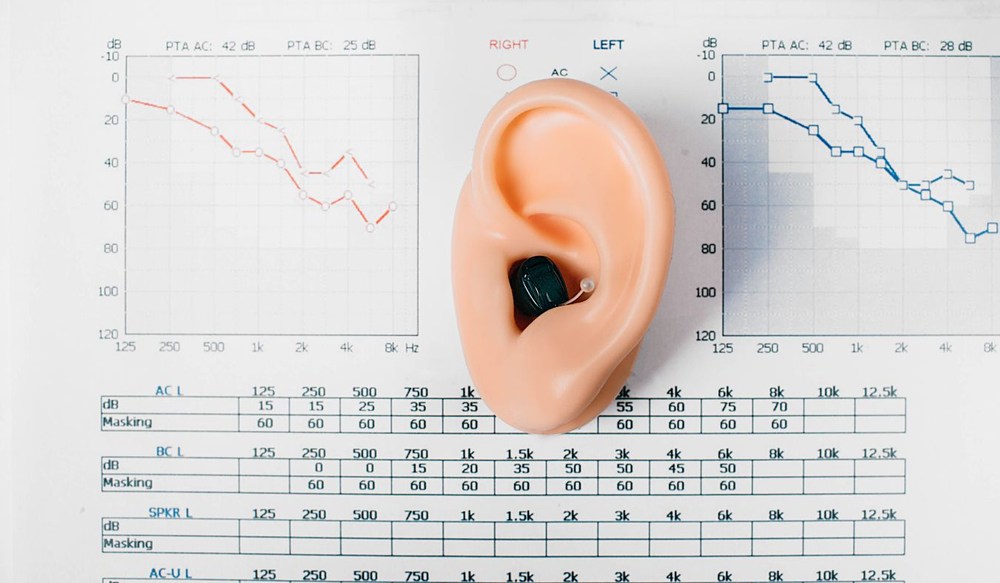
If you’re considering hearing aids, you’re probably wondering
By: admin | February 20, 2026
Wearable technology has become part of how many people track their health,
By: admin | December 21, 2025
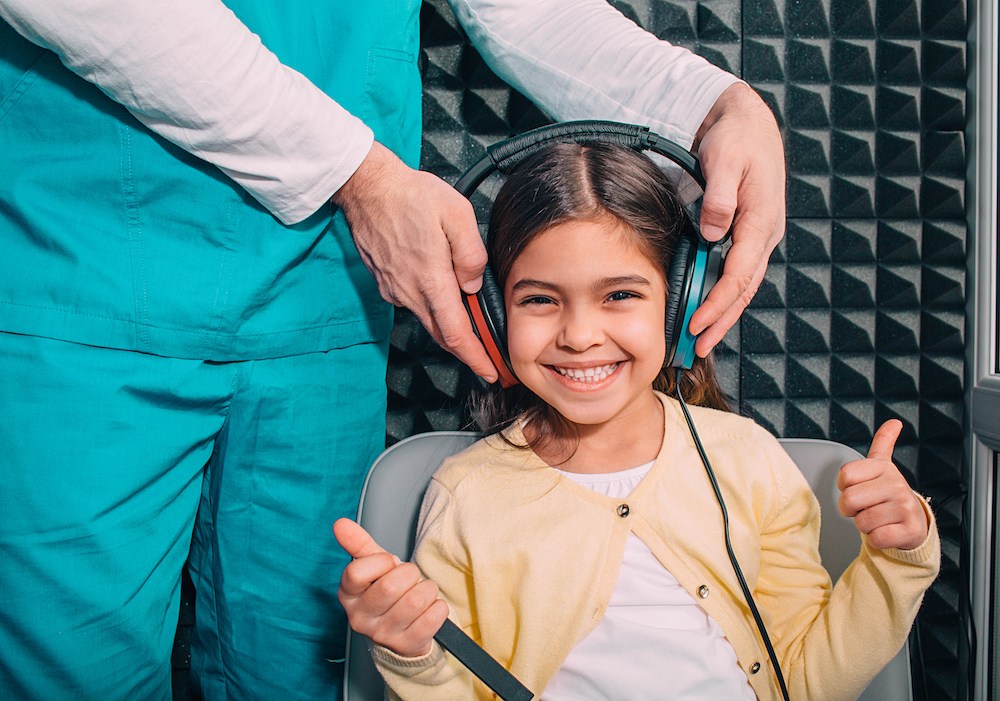
Being a musician means you’re constantly exposed to the very thing
By: admin | August 21, 2025